
Palazzo di Monte
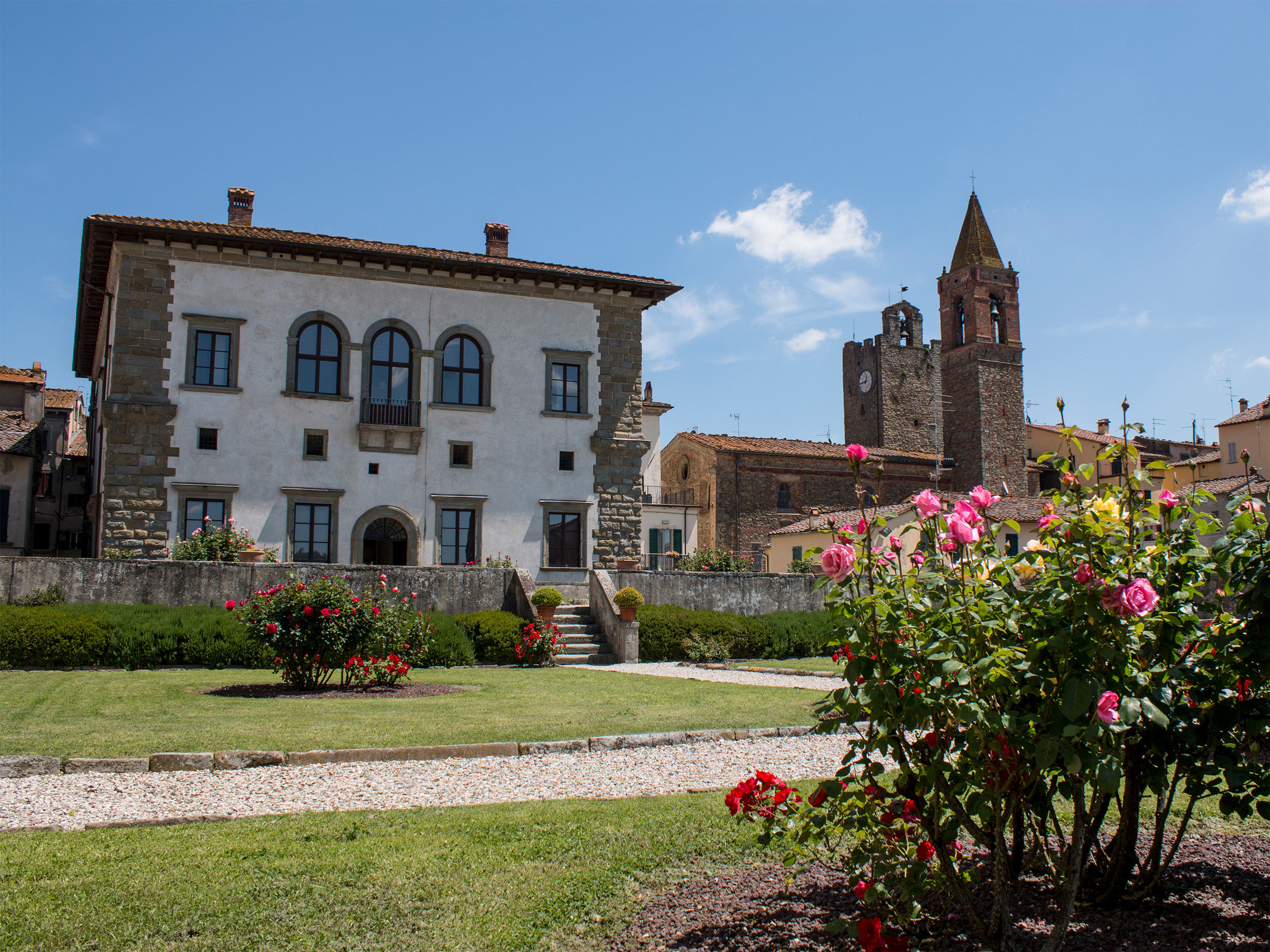
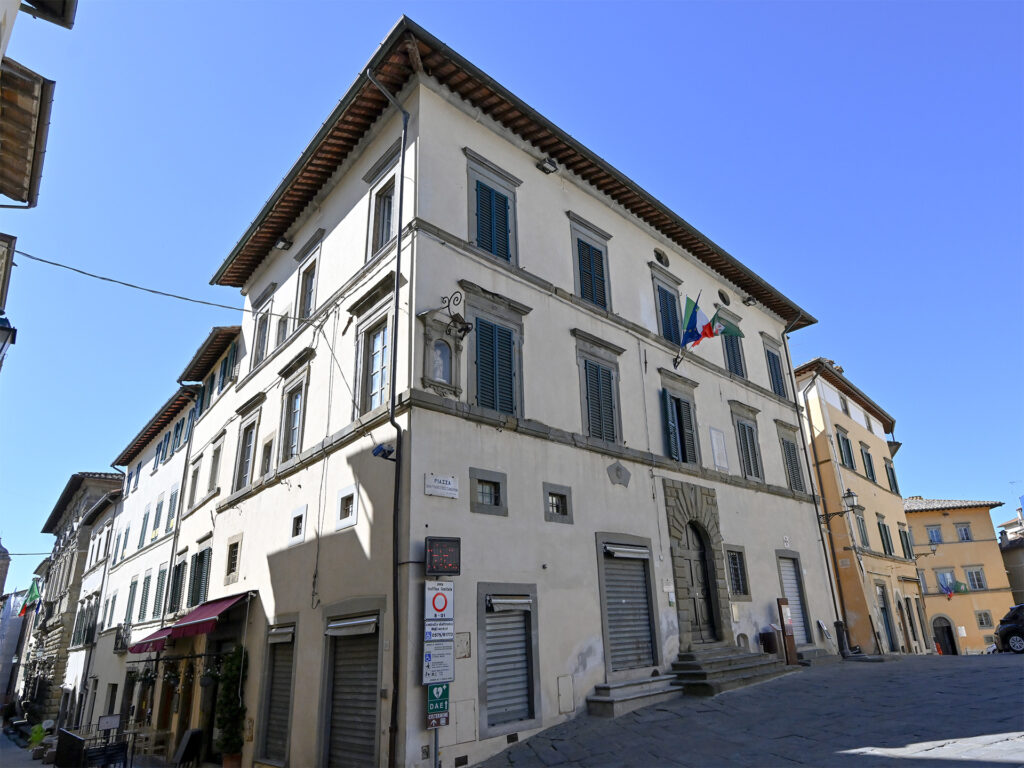
Former residence of the Ciocchi Di Monte family, the palace is now the civic seat of the city, housing the municipal offices, the City Council Hall, and the Municipal Picture Gallery, established in 1680 and preserving portraits of notable citizens of Monte San Savino and members of Tuscany’s ruling families.
Construction began in 1515 at the behest of Cardinal Antonio Di Monte and was designed by Antonio da Sangallo the Elder. The building was completed and expanded in subsequent decades, with contributions by Nanni di Baccio Bigio and decorations by Giorgio Vasari, including now-lost paintings of the Four Seasons once displayed in one of the noble-floor halls. Since the 19th century, the palace has been municipally owned and has undergone significant restorations, particularly in the late 1970s.
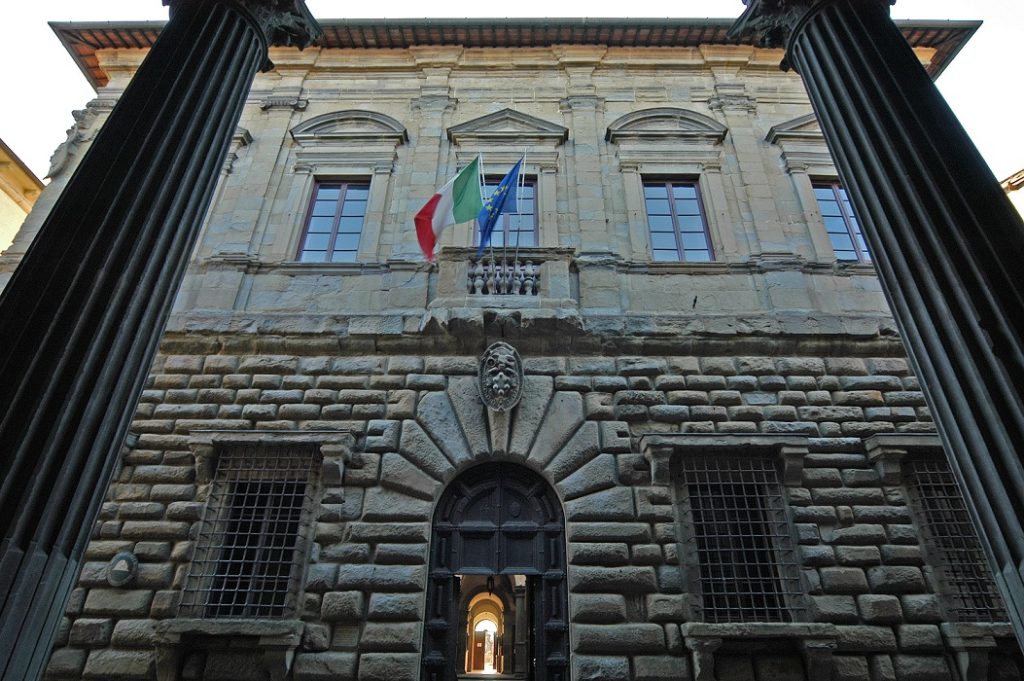
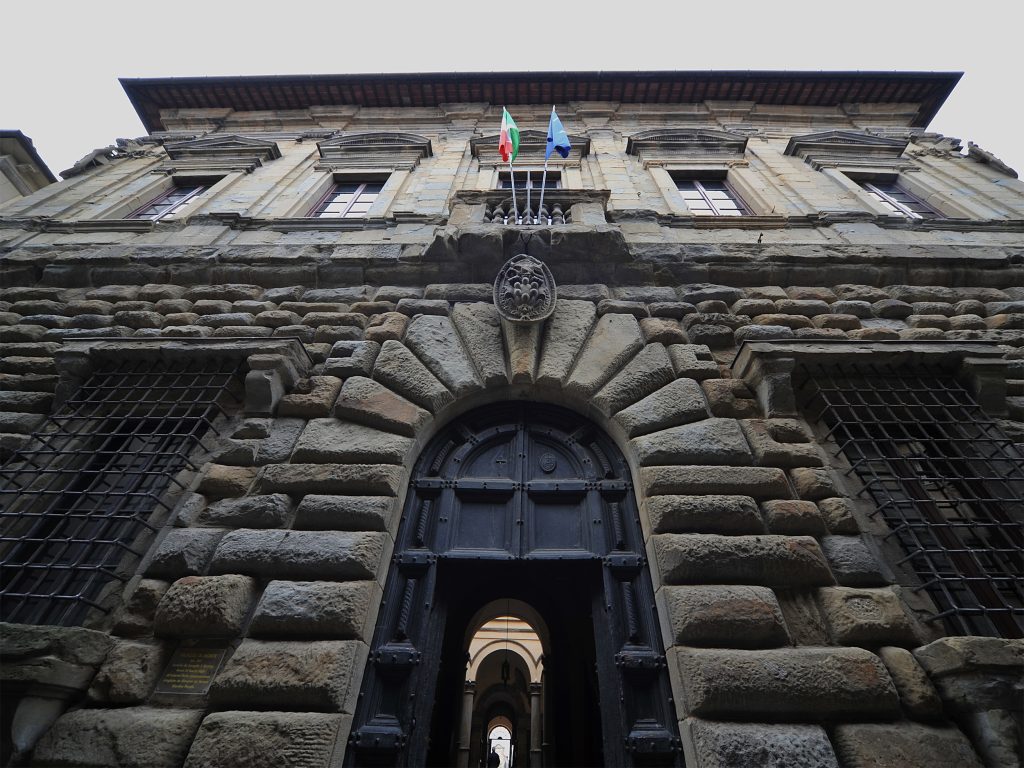
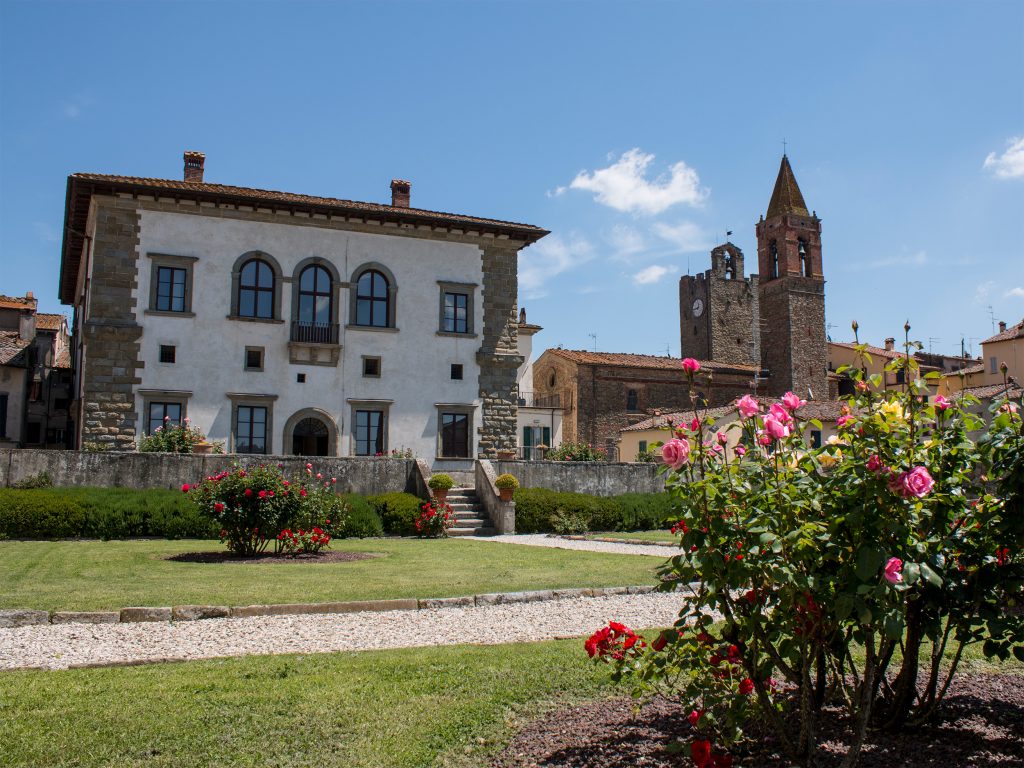
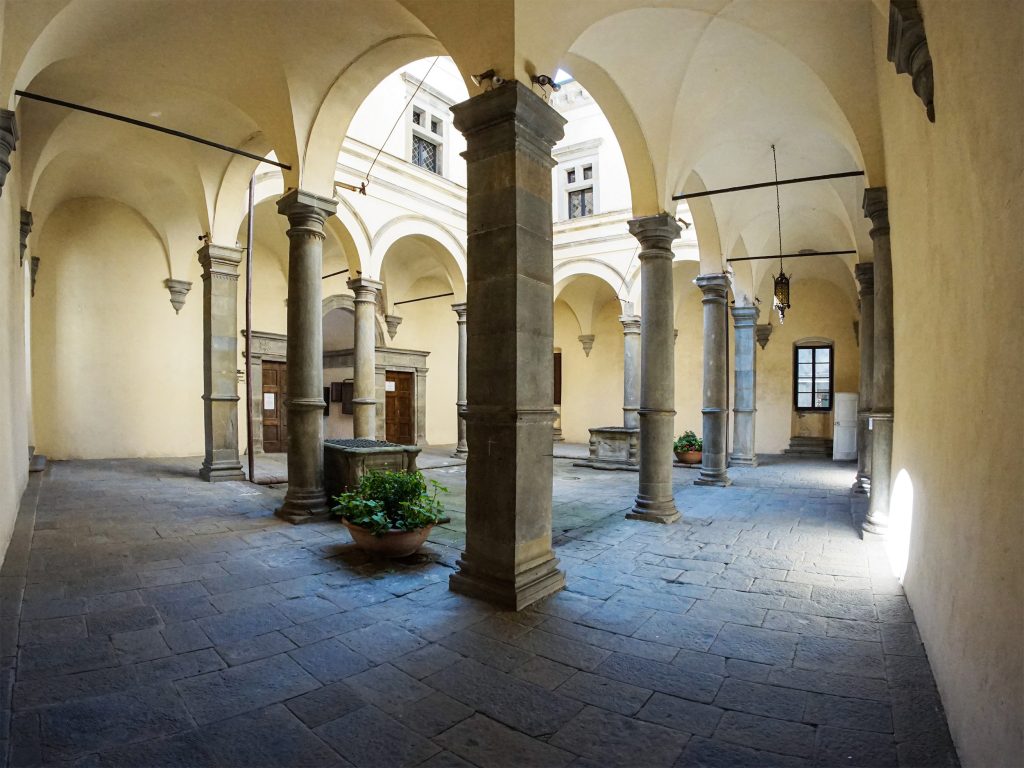
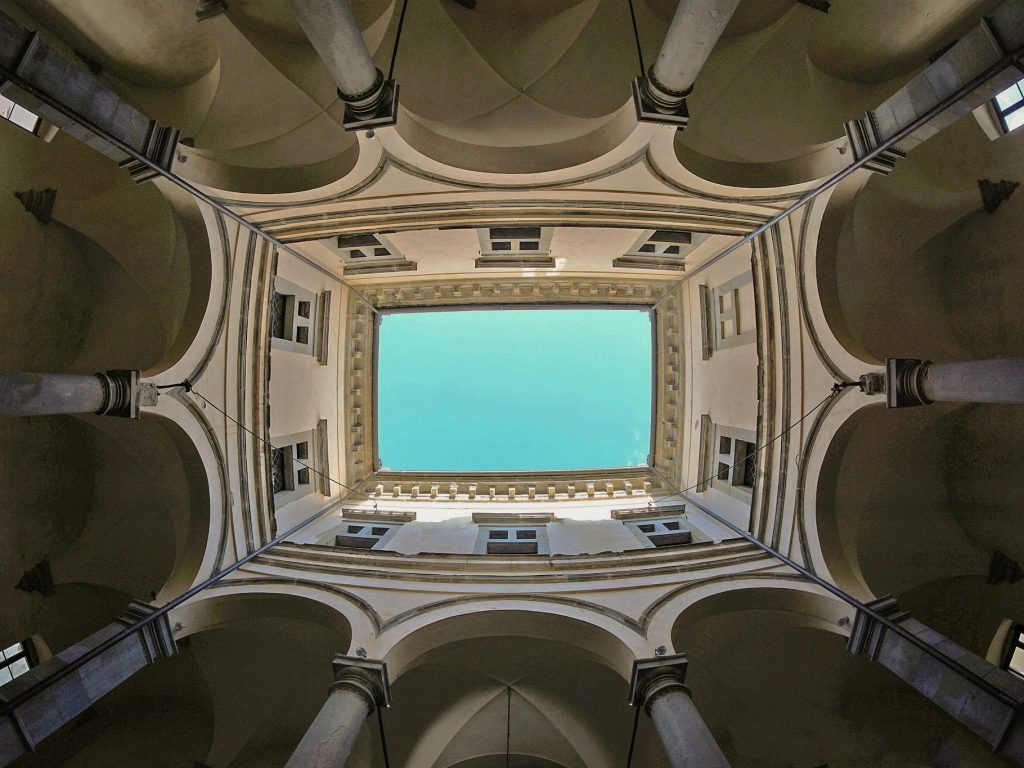
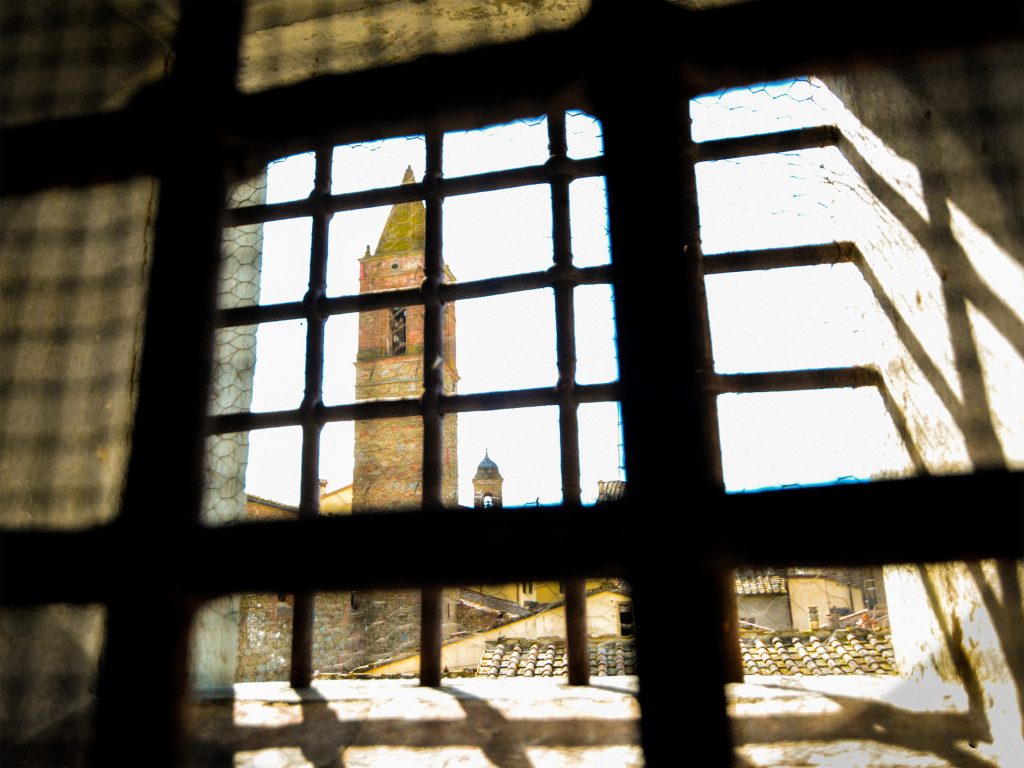
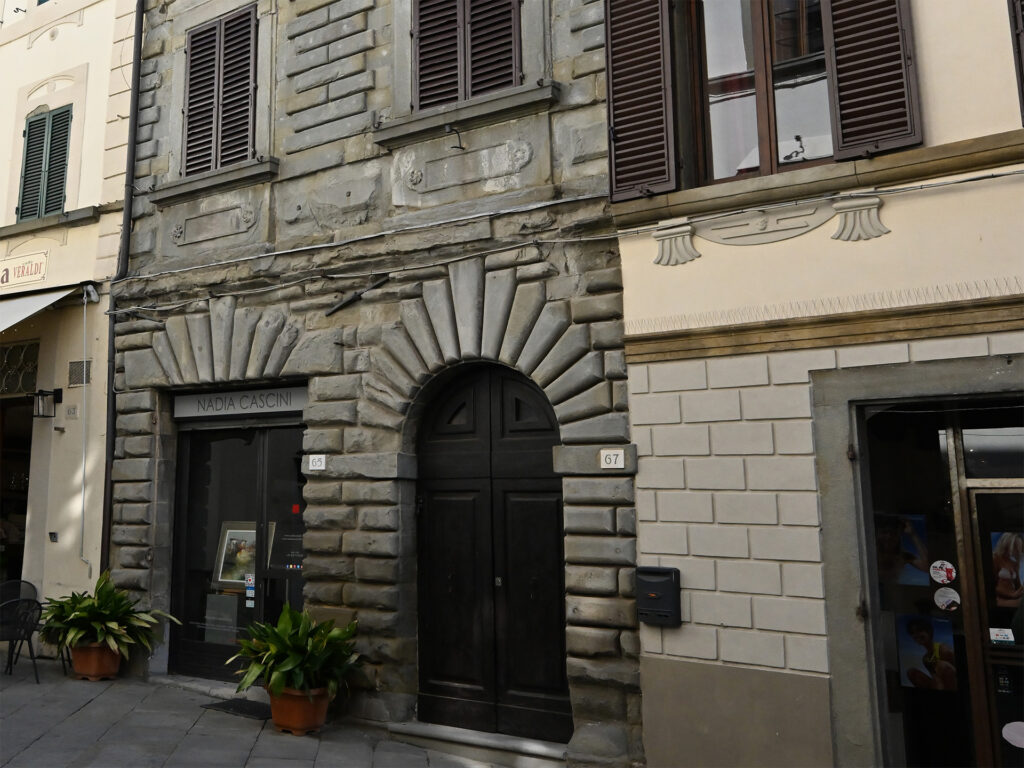
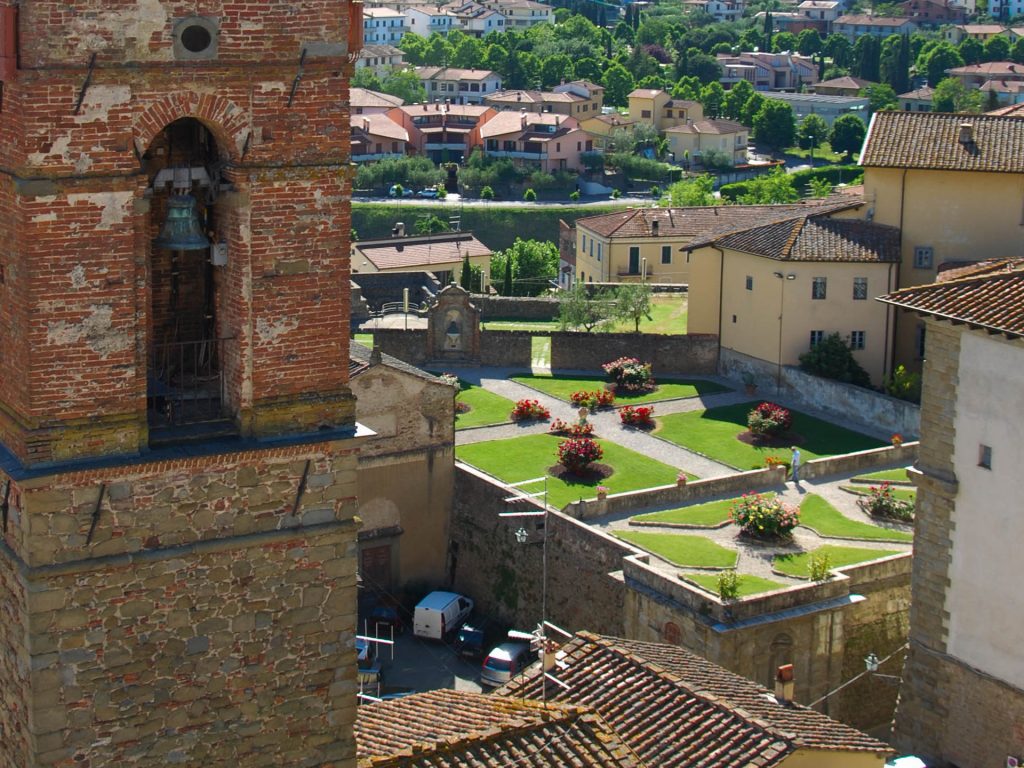
The main façade in pietra serena and the inner courtyard with its loggia and groin vaults exemplify Renaissance elegance, while the hanging garden and open-air theater at the rear offer splendid views of the town and surrounding hills. Inside, frescoes, decorated ceilings, and the Picture Gallery provide an outstanding journey through art, history, and civic identity, with works by I. Dini, R. Guelfi, D. Sozzini, and other local masters.