
Monte San Savino Turismo
EN

Categoria Luogo: Places of interest

Ancient Monastery of Santa Chiara
Ancient Monastery of Santa Chiara

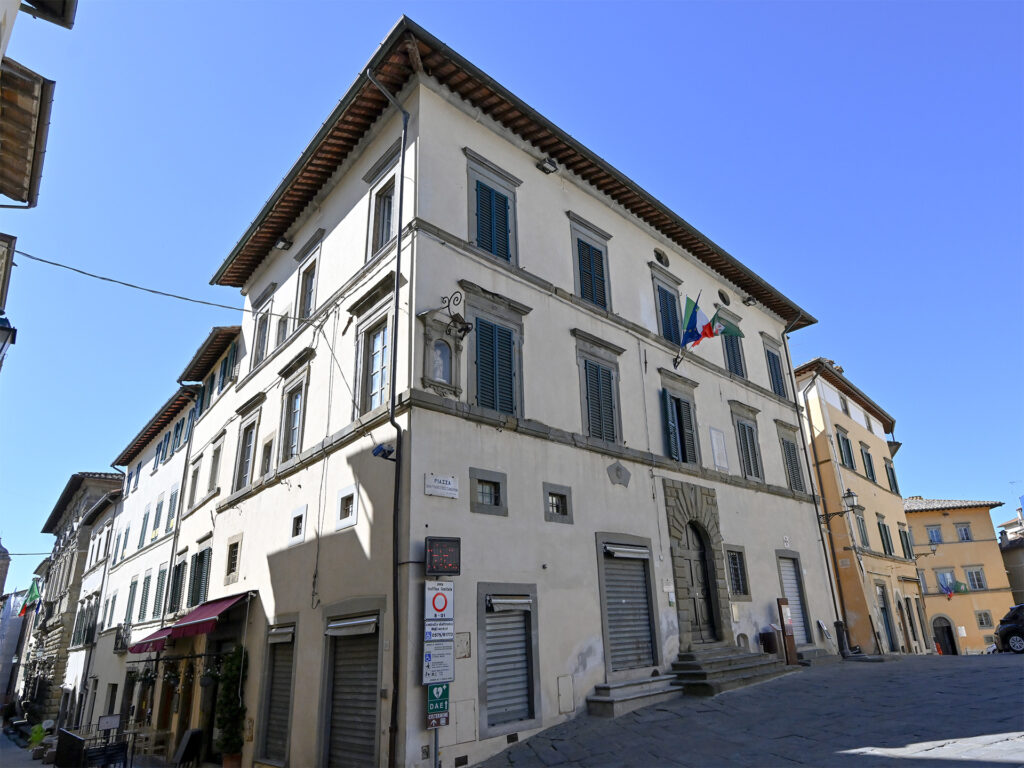
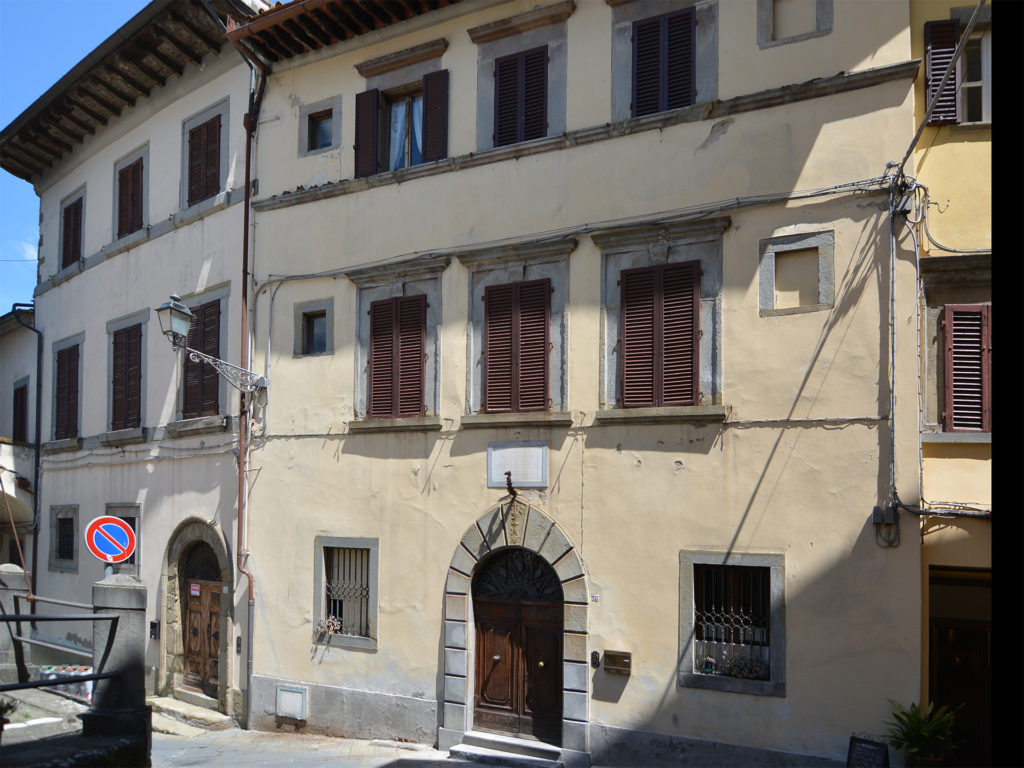
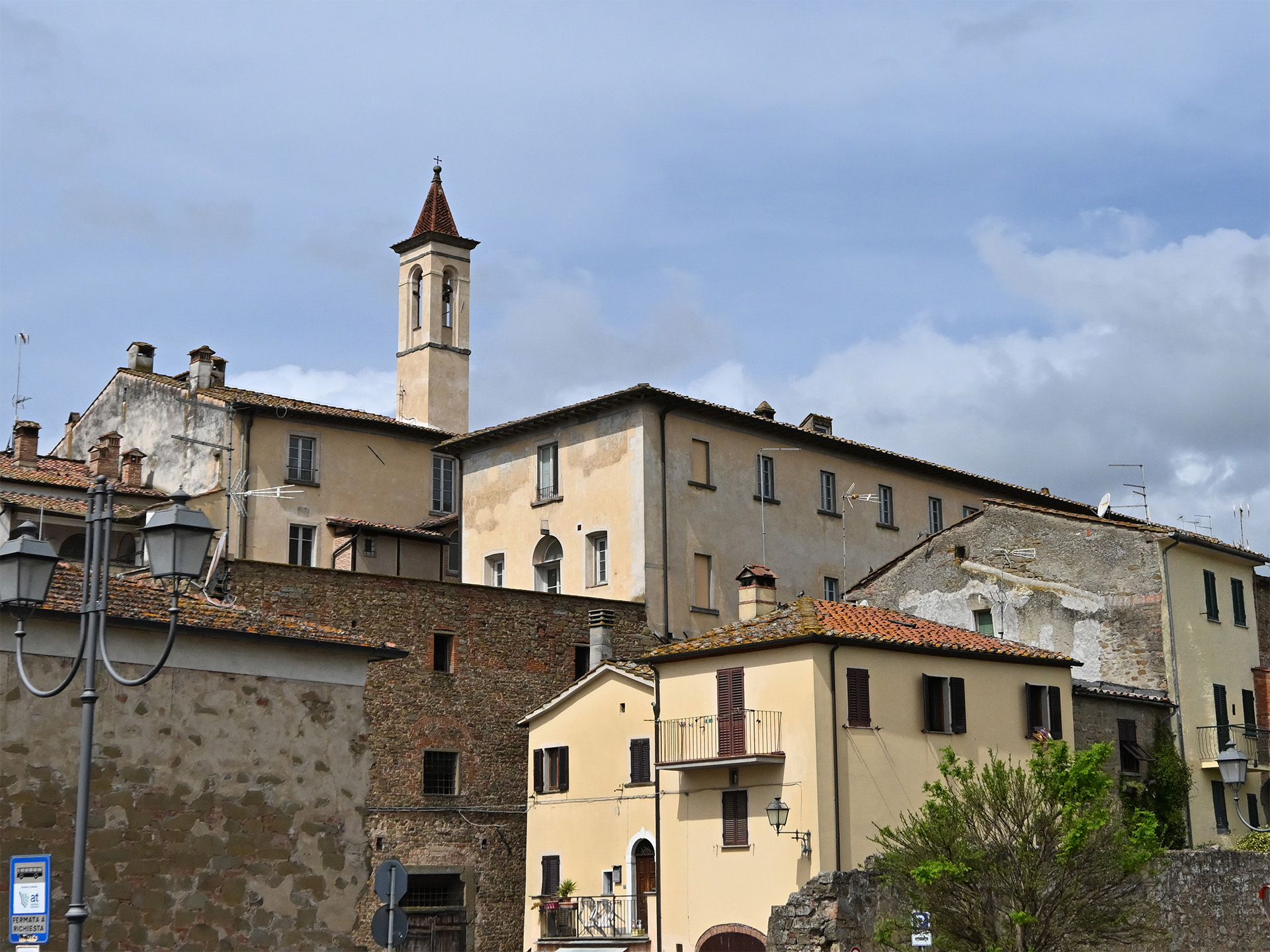
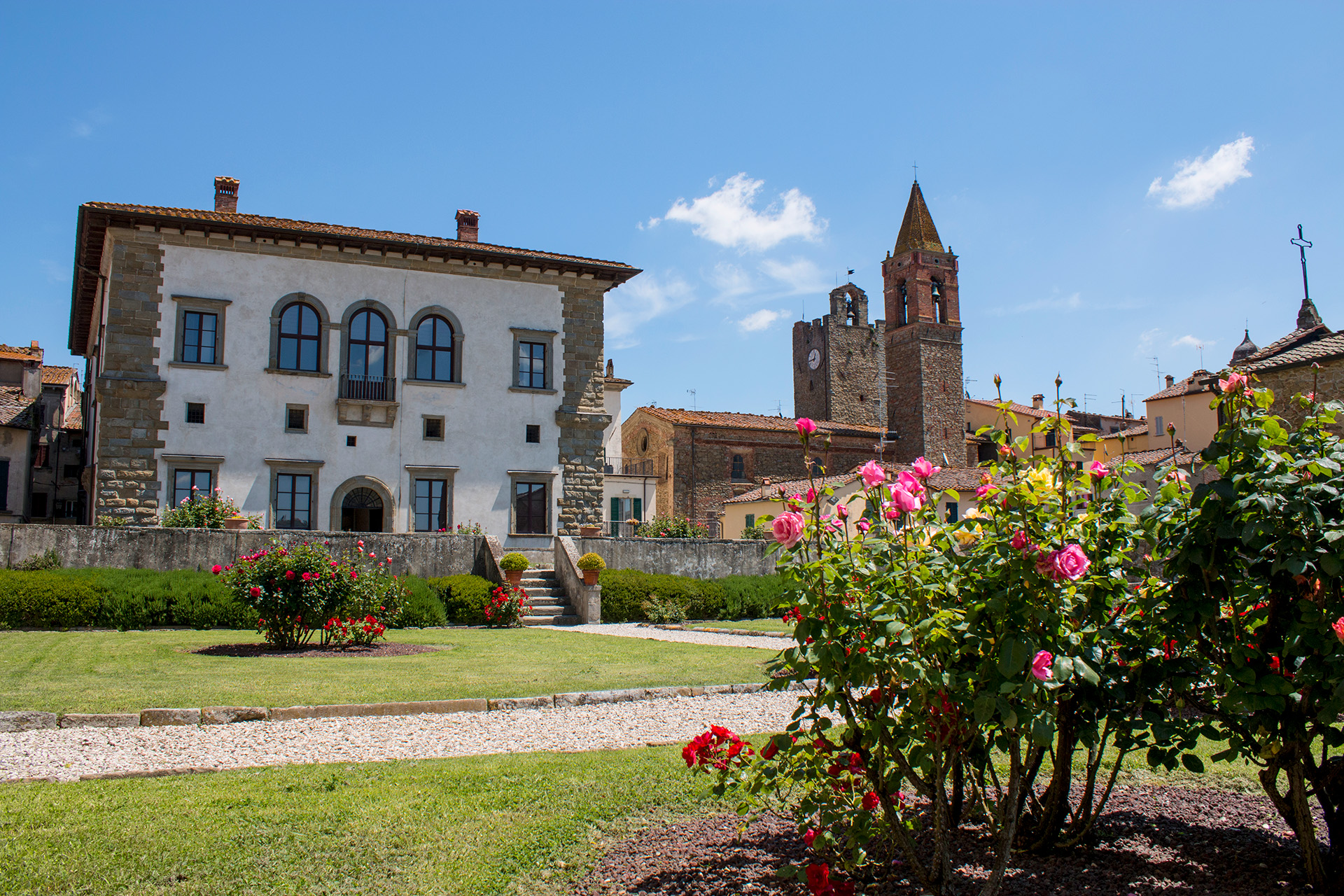
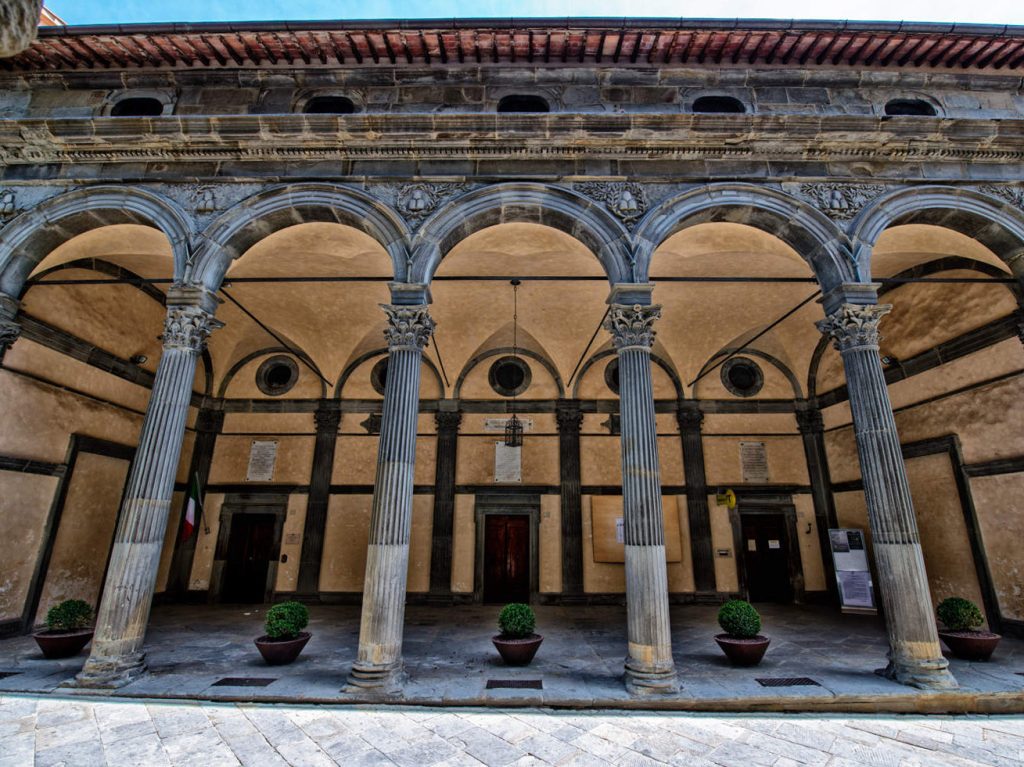
The ancient Monastery of Santa Chiara, now home to the Circolo di Fratellanza Artigiana and private residences, is easily recognizable by its elegant rusticated portal at number 25, the only original entrance to the complex.

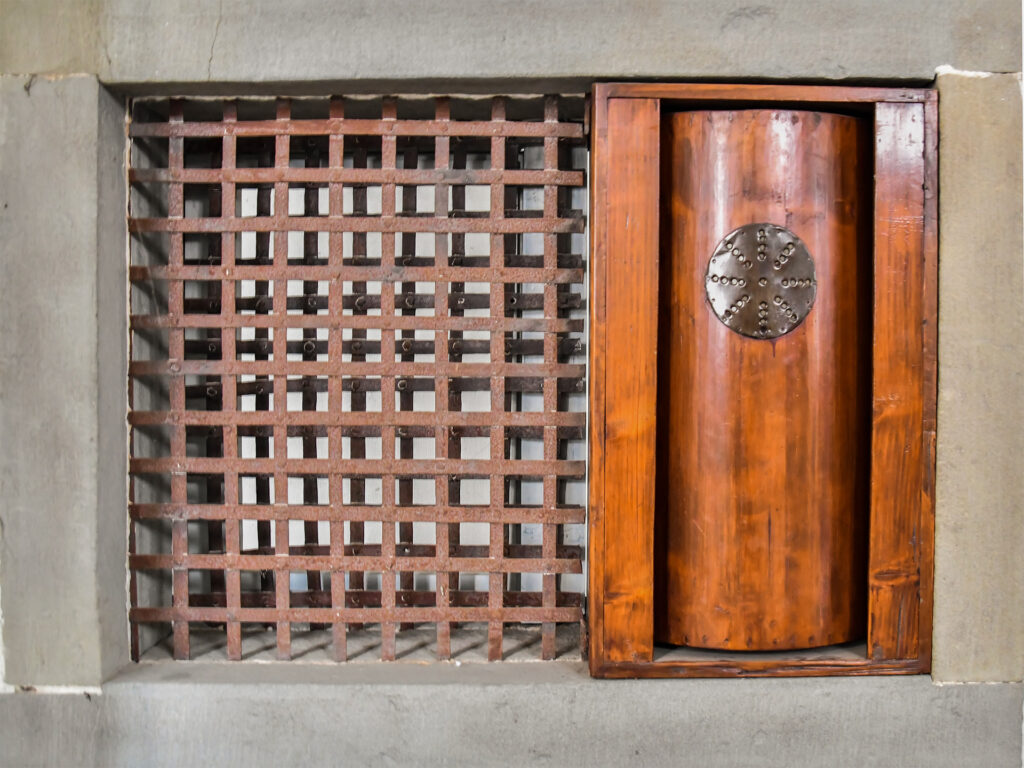
The monastery was founded in 1627 at the initiative of Canon Silvio di Monte, who donated his house—previously belonging to his uncle Pietro di Monte, Grand Master of the Order of Malta—to establish a cloistered convent. The adaptation works were probably overseen by the Aretine painter and decorator Teofilo Torri, who mentions a monastic construction site in Monte San Savino in his Ricordanze of 1612.

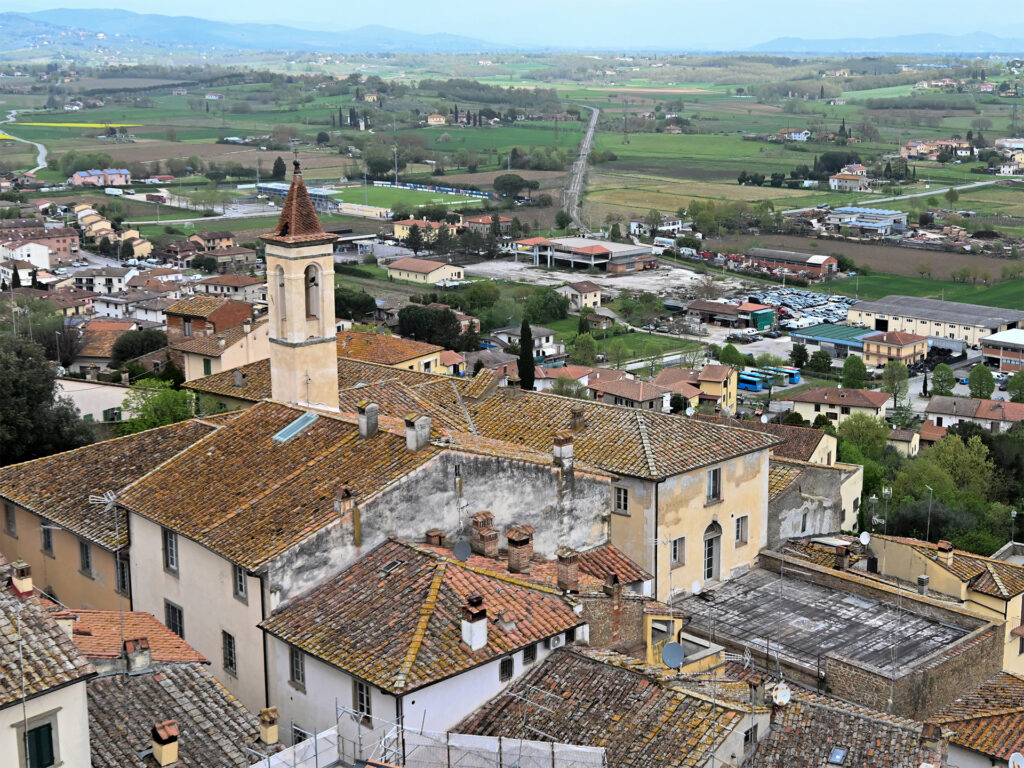
Originally, the complex also included a small church with a bell tower, identifiable with the present Oratory of Sant’Onofrio (or Santa Barbara), accessible from the Church of Santa Chiara.

Initially dedicated to the Immaculate Conception, the monastery later took the title of the Purification of the Virgin Mary, as a Benedictine convent under the same dedication already existed in the town. The nuns followed the Rule of Saint Clare according to the bull of Pope Urban IV.
Where:

Piazza Gamurrini, Monte San Savino

Former Monastery of the Immaculate Conception

Former Monastery of the Immaculate Conception

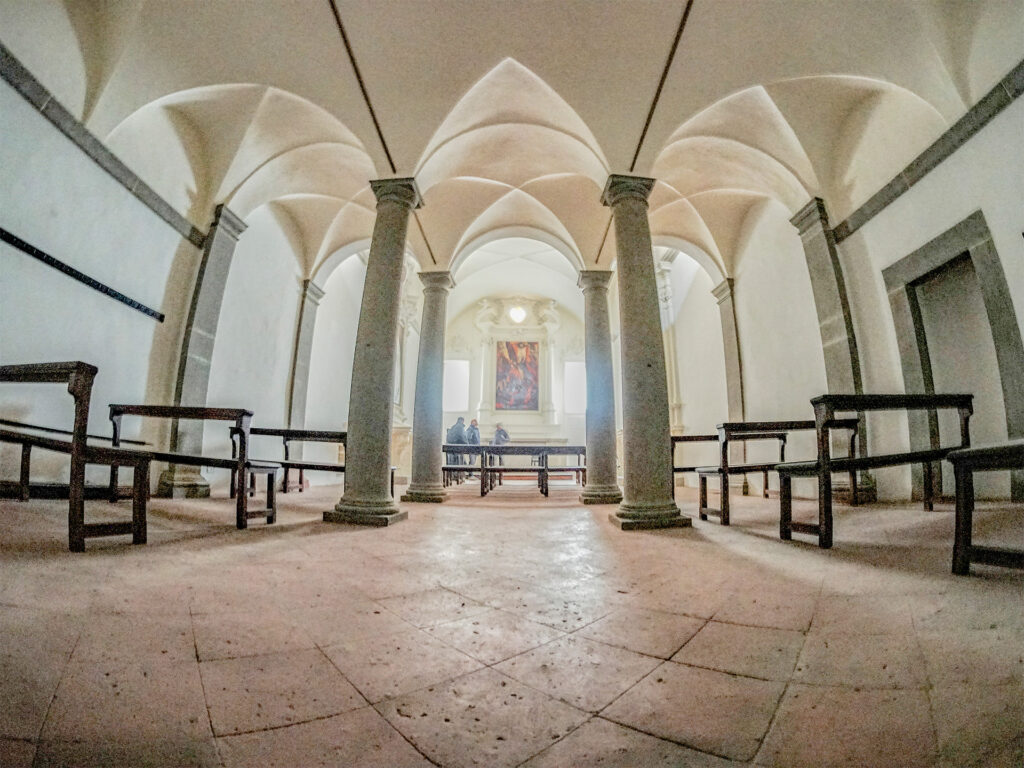
Founded in the early 14th century, the former Monastery of the Immaculate Conception is one of the most fascinating monumental complexes in Monte San Savino.

According to tradition, it was established by Eugenia and Virginia Nanni, two noblewomen who, after a pilgrimage to the Holy Land and the Sanctuary of Vertighe, withdrew here for a life of prayer. In 1336, the community adopted the Benedictine Rule, and the monastery gradually expanded, eventually incorporating an ancient hospital.

After several religious suppressions (during the Leopoldine, Napoleonic, and post-Unification periods), the Benedictine nuns returned in 1886 and remained until 1961. Today, the complex is undergoing careful conservation restoration by its current owners.

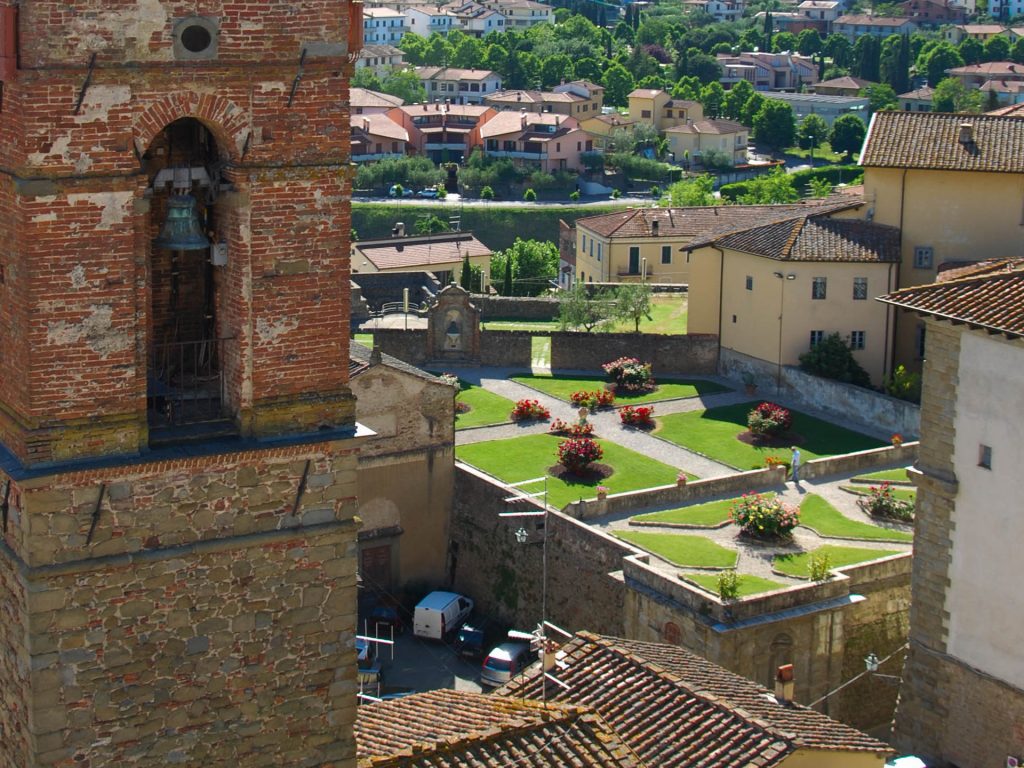
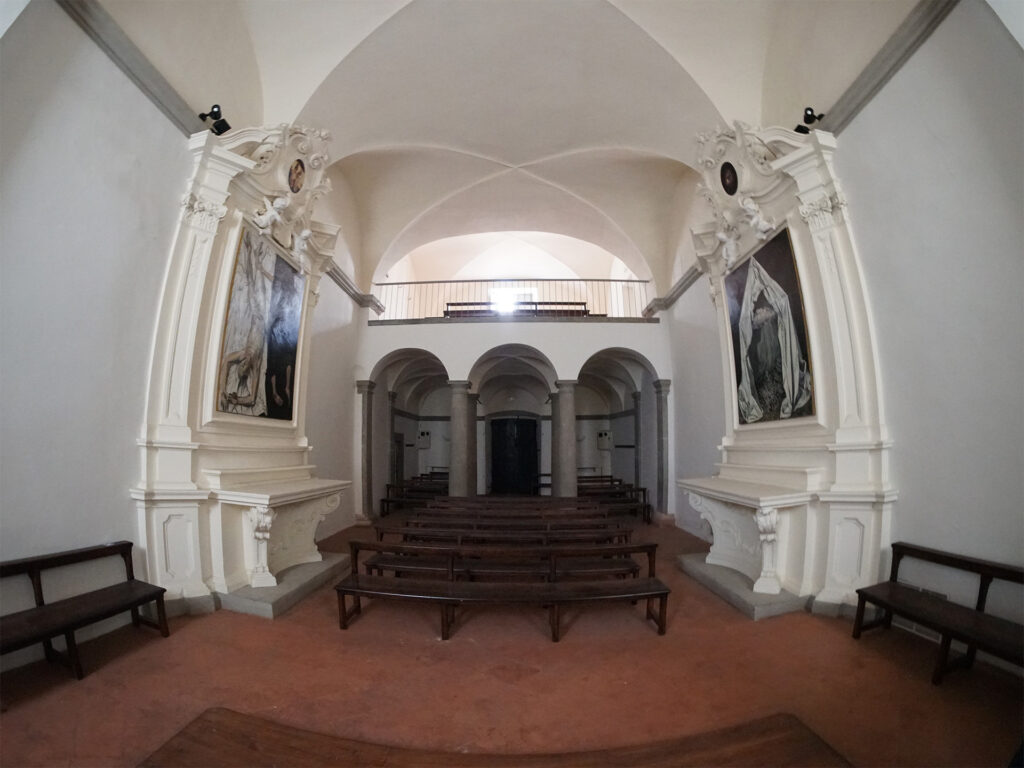
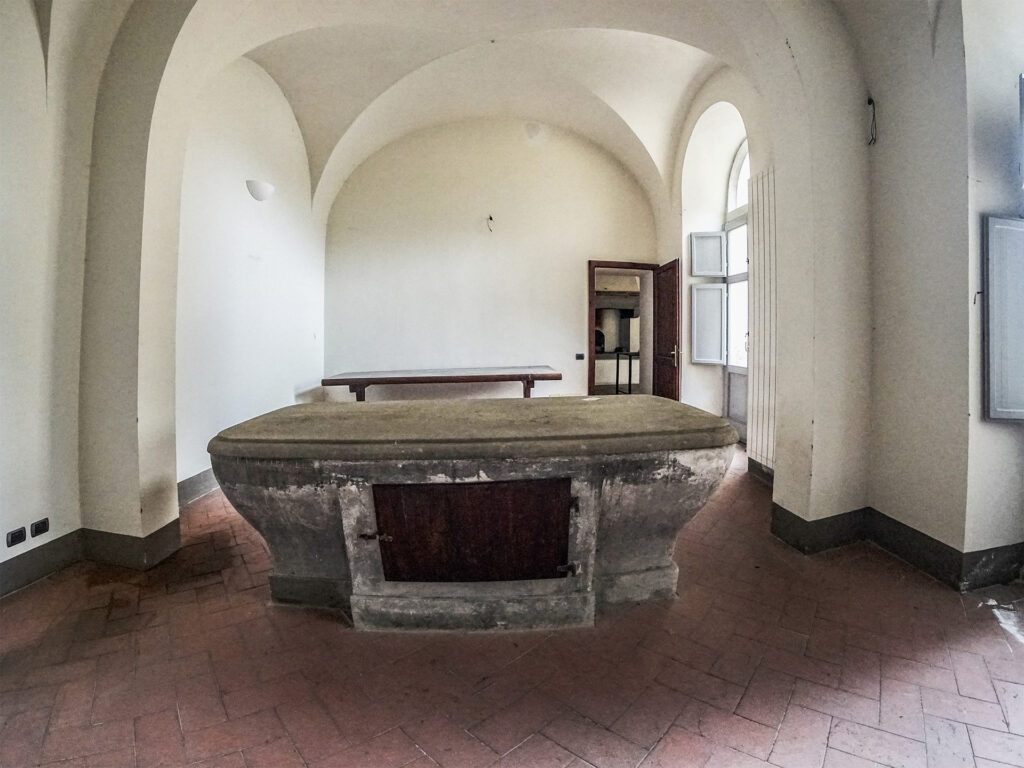
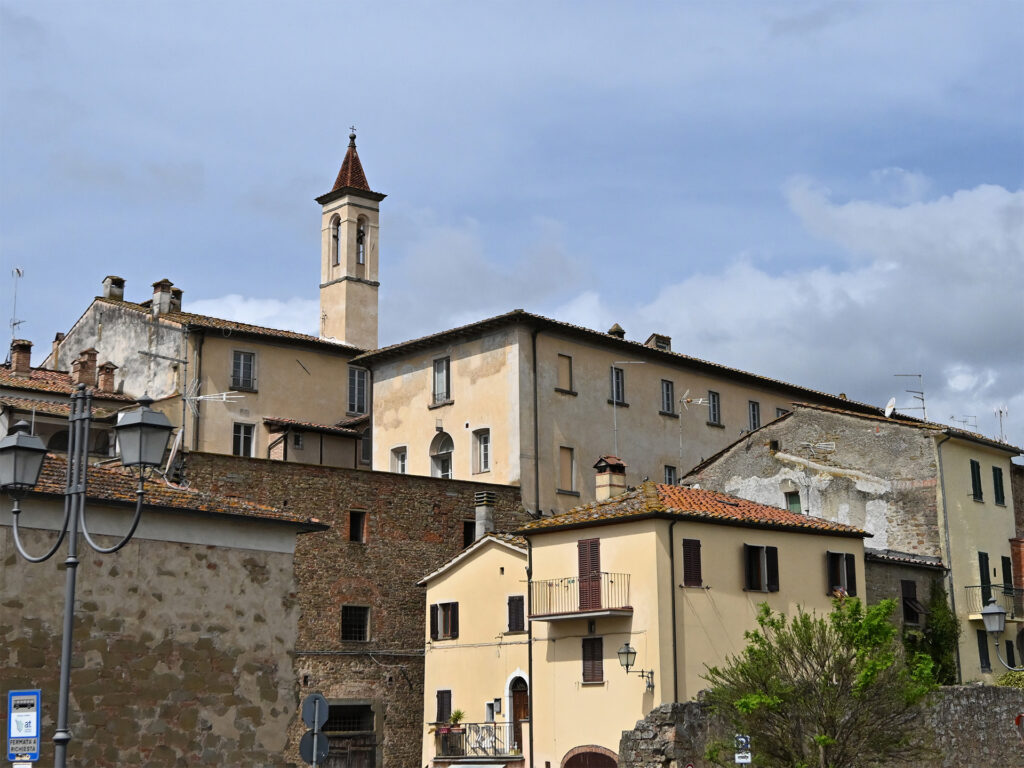
Irregular in plan, the monastery includes inner cloisters, hanging gardens, halls, and cells, as well as a Baroque church overlooking Via Conte Cungi, with a stone portal and a square bell tower. Inside are stucco altars from the 17th–18th centuries and paintings created in 1992–93 by Polish artists Tadeusz Boruta and Aldona Mickiewicz.

WordPress › Error

There has been a critical error on this website.

Learn more about troubleshooting WordPress.