
Andrea Sansovino
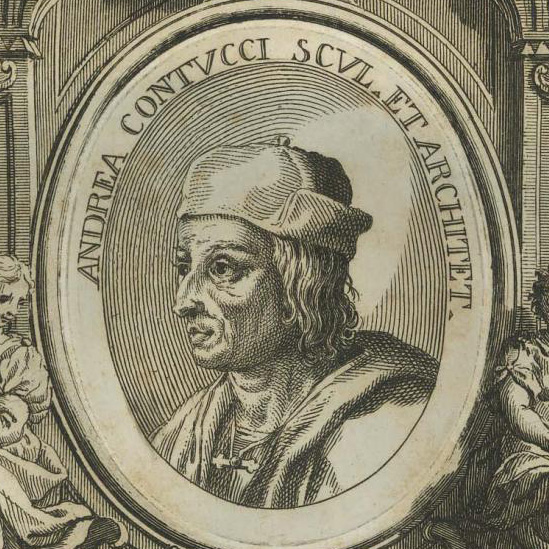
Andrea di Niccolò di Menco di Muccio, known as Andrea Sansovino (c. 1467–1529), was one of the most important figures of the Italian Renaissance. A sculptor and architect, he trained under Antonio del Pollaiolo and at the Garden of San Marco, sponsored by Lorenzo the Magnificent. He worked in Florence, Rome, Loreto, as well as in Spain and Portugal, leaving works of extraordinary elegance and harmony.
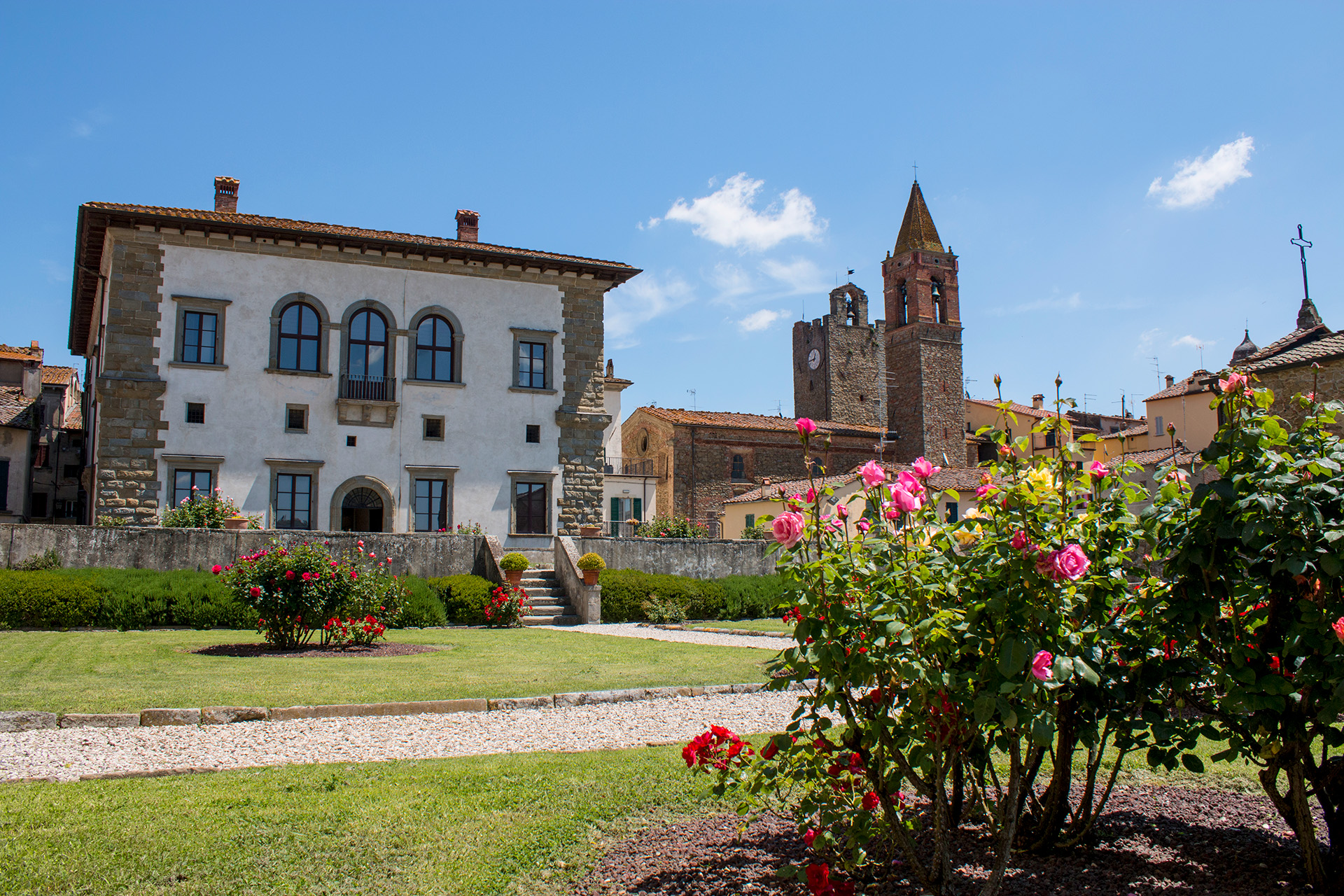
Among his most celebrated creations are the funerary monuments of Cardinals Sforza and Basso della Rovere in Santa Maria del Popolo in Rome; the sculptural group of the Madonna and Child with Saint Anne in the Church of Sant’Agostino, also in Rome; the Corbinelli Altar in the Basilica of Santo Spirito in Florence; and the reliefs on the façade of the Sanctuary of the Holy House in Loreto. To these must be added the terracotta altarpieces now preserved in Santa Chiara and the remarkable architectural works he designed in his native Monte San Savino. Characterized by classical grace and profound balance, his art influenced many artists, including Jacopo Sansovino, his principal pupil, who took his surname from him.
Monte San Savino proudly preserves his memory as its most illustrious son, a symbol of Tuscan Renaissance art and elegance.